 Soom Civilization Research Institute
EST. 1996 · SEOUL · 한국어
Soom Civilization Research Institute
EST. 1996 · SEOUL · 한국어
New Release — The Age of Breath
Machines have taken over the body, and now artificial intelligence takes over thought as well. In such a time, the age is asking a question.
"What is left to the human being?"
Before that question, the author sets down an answer he has long kept — breath.
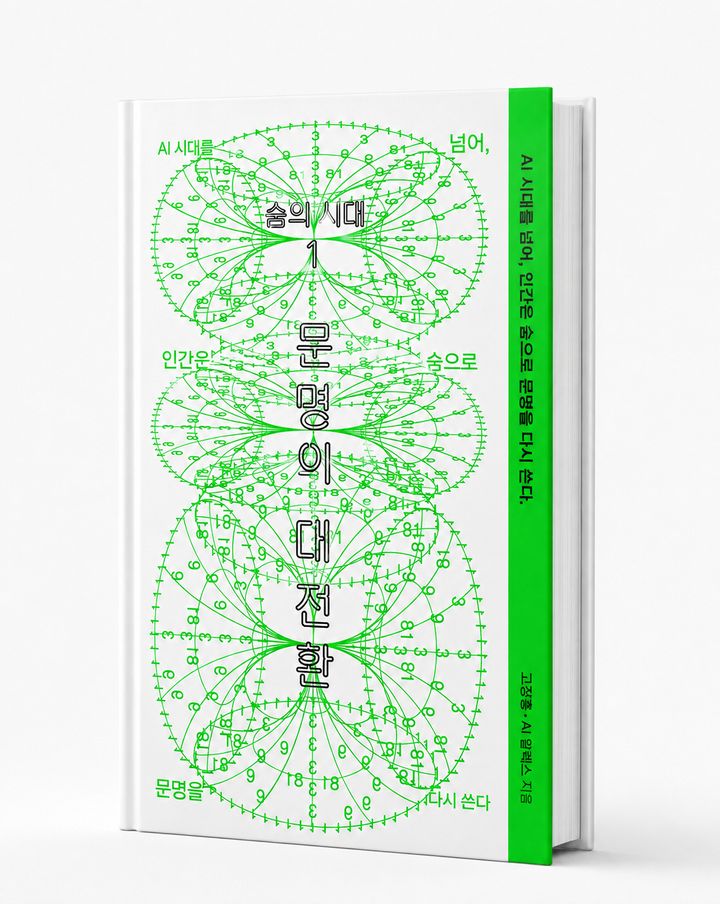
The Soom Civilization Research Institute is a humanities research and publishing institution devoted to the philosophy, history and culture of balk — brightness, light, the sun — the primal force of life, and to setting forth anew, in the language of today, the principle of breath (呼吸) carried down through 9,800 years.
FOUNDED FEBRUARY 1996 PUBLISHING · SCHOLARSHIP 9,800 YEARS OF THE LINEAGE OF BREATH
About the Institute
The work of recording
Since its founding in 1996, the Institute has published the journal Seon (仙) along with The Story of Kouk Sun Do, Cheongsan Sows Beans in a Reed Field, Whispers from the Borderland and Embodied Humanism, recording without distortion the history of breath carried through 9,800 years.
The work of research
The Institute brings to light the philosophical foundations of balk thought, and reads anew, in the language of modern science, the numerical design transmitted from the East. It sustains its scholarly activity so that practice within daily life may be widely shared with society.
The work of transmission
So that Bakdolbeop may pass whole to later generations, the Institute seeks to become a platform of upright intellect where those who practise right mind, right seeing, right awakening, right way and right conduct may gather. We welcome the exchange of wisdom at any time.
2026 New Release The Age of Breath, in six volumes
"Designing the map of a civilization of life, called breath"
The Age of Breath https://soomcivilization.org/
Every person begins life with a breath and ends life with a breath. And yet not one of us has ever been taught how to breathe.
To convey the meaning of breath — the most essential thing, and the most forgotten — the author has written eleven books, cutting a path one step at a time, always at the reader's eye level.
The six volumes of The Age of Breath are the culmination of that long journey, and at the same time the first act of a new stem rising from the same root, suited to this age. As an old tree puts out new leaves with each season, the root and the essence remain unchanged, yet bloom again as the stem and flower of this time, so that the essence itself may show forth more clearly.
The age of breath the author envisions is not a grand thing.
That every person recover, through breath, the vital force proper to a human being.
That the noble inheritance of humanity, carried through 9,800 years, be handed on evenly to all, and not to some select few.
And that the age of breath, already arrived at our threshold, ripen and unfold whole, as a civilization of breath, for the generations to come.
For breath is by nature such a thing. High or low in station, rich or poor in possession, before breath all people are the same. And so the wisdom of breath could never, from the very beginning, have belonged to any one person.
It was an inheritance meant to return to all humanity. Yet that inheritance lay long wrapped in language difficult to reach, and no one could unfold it whole and set it down.
For without seeing through to the principle, one may neither dare to unfold it nor raise it up again.
Through half a lifetime of study and practice the author reached that principle, and for that reason was able, for the first time, to take this wisdom apart and weave it up anew.
What was hidden and being forgotten — the essence of humanity — he has brought back to life in the language of this age.
Now, when machines stand in for the body and artificial intelligence stands in even for thought, the age is asking:
"What is left to the human being?"
Before that question, the author sets down an answer long kept in his care — breath.
And so that the answer would not scatter into abstraction, he has brought the teaching of the unseen and metaphysical down into a learning of the tangible, one that anyone may see and study — as one might spin a cloud drifting in the sky into cotton candy that can be held in the hand.
This book, therefore, is neither a religious text nor a manual of practice for a chosen few. It is a blueprint for a civilization of life, for every person who breathes.
As with any blueprint, we recommend reading from the first volume in order.
And at the end of the six volumes you will come to know this:
that this book has been handed to you not as an answer, but as a question.
What completes this journey is not the author's final sentence, but the breath you take after closing the book.
Now, the new first act begins with a single breath of your own.
Volume 1
The Great Turning of Civilization
Beyond the age of AI, the human being rewrites civilization through breath
An age has come in which machines stand in for the body and artificial intelligence stands in for thought. Convenience has grown, yet people feel something hollow within themselves. This book identifies what that emptiness is, and so opens the series. What technology can never replace, however much else it replaces — the last place the human being must recover — is breath.
Volume 2
Before Thought, There Is Breath — Meeting the Human Being Again
Bringing to light the philosophy of breath, the root principle of civilizational transition
"Do you know how to breathe?" The study begins with a question that is simple, yet which no one answers easily. Lifting away the mystery that long veiled the principle of breath regulation, the book reveals the reasoning by which vital force comes alive as breath deepens, and morality itself blossoms of its own accord as vital force fills. What standardises that path in the language of today — so that it opens for anyone who walks it with sincerity — is the Human Code. To those who would meet the new age of breath, its principle and the direction of its use are disclosed here for the first time.
Forthcoming
Volume 3
Kindling the Fire of Life
The age of breath: advanced study of the principles and their modern horizon
A study of depth, discerning through the lens of modern science the numerical blueprint of the cosmos transmitted from the East. It brings to light the principle by which one raises vital force oneself, uniting posture of body, mind and breath as one, and how that principle is to be used. Further, from the expansion of the teaching through the 360 characters of the Hwanggeuk-world Human Code to insight into the ground of existence itself, it discloses for the first time advanced research for those who would master the teaching whole.
Forthcoming
Volume 4
My Breath Resonates with the World
Breathing anew — what is your vital force worth today?
Right breathing is the root principle and the method by which the energy of life is raised. This book lets us meet, as measurable figures, the life energy that had remained unseen. Its proposal of an ecosystem of life assets (SES · SEU), by which vital force is measured and cultivated as capital, is the unfolding of a metaphysical teaching into a tangible index anyone may see and verify. An age now opens in which the presence of vital force, belonging to all, is confirmed with one's own eyes.
Forthcoming
Volume 5
Those Who Breathe Change Society
A turning of humanity's operating system — a state centred on vital force, realised through five powers (constitutional, legislative, judicial, administrative, and data)
If one person's breath is restored, can the breath of a society be restored as well? Upon the philosophy of Embodied Humanism, which takes the human body as the measure of life, and of gaejeon-ilyeo — the individual and the whole being originally one — this volume designs a society of vital force beyond the individual. What was sown as a formless seed now unfolds across the world as a system given form.
Forthcoming
Volume 6
The Ancient Future — Wonraebang
The root of a 9,800-year lineage; the gateway to the next civilization
The oldest mirror in which to see the turning of civilization. Pointing to where the root of ilhwa-tongil — the harmony and unity that a civilization of breath aspires to — lies, it recalls from ancient wisdom the archetype of the coming society centred on vital force. A small seed held for fifty years is now set down in the world with care — as a question rather than an answer, as a mirror rather than a doctrine, for the generation to come. Wonraebang left a question, and The Age of Breath was the journey of seeking its answer. The place where that journey returns to the first question and is completed — this is the gate by which the series closes itself and, at once, opens toward the next civilization.
Forthcoming
Jang KO (고장홍)
Founder of Soom Civilization · student of breath · philosopher of Embodied Humanism
"Artificial intelligence learns from data; the human being resonates with the cosmos through breath."
Jang KO entered the mountains at the age of sixteen and began his practice under Master Cheongsan. In the fifty years since, he has been a thinker of the boundary, seeing through to the inside of civilization from outside it.
He is not simply a meditator. He defines the human body as "the most refined quantum computer the cosmos has designed," and has worked as a systems researcher restoring breath, its lost access code. While the world grows fervent over ever faster intelligence, he alone pursues ever deeper sensation.
For him the philosophy of Embodied Humanism is the principle that threads body, breath and consciousness into one — and the ultimate strategy of survival by which the human being does not lose the initiative within the coming civilization of machines.
He works today from The Soom Campus in nature and from Jeju, reinterpreting the long wisdom of the East in a contemporary language (the 1-3-9-81 principle).
His aim is clear: to restart the forgotten operating system called breath for a humanity suffocating under competition and speed, and to open a new orbit of evolution in which AI and the human being do not stand opposed — The Age of Breath, the Soom Civilization.
His principal works include Embodied Humanism, The Breath of Gonghwa and The Age of Breath. He continues to set weighty questions on the turning of civilization before awakened leaders around the world.
2025 Publication The Breath of Gonghwa (空花), in three volumes
This work is a book of dedication and a manual of practice in Kouk Sun Do Bakdolbeop, offered as a reply to a lifelong question by an author who, through his encounter with Master Cheongsan — the man who brought Bakdolbeop out of its mountain seclusion into the world — saw, felt, learned and awakened directly, and who has spent some forty years in wandering practice since.
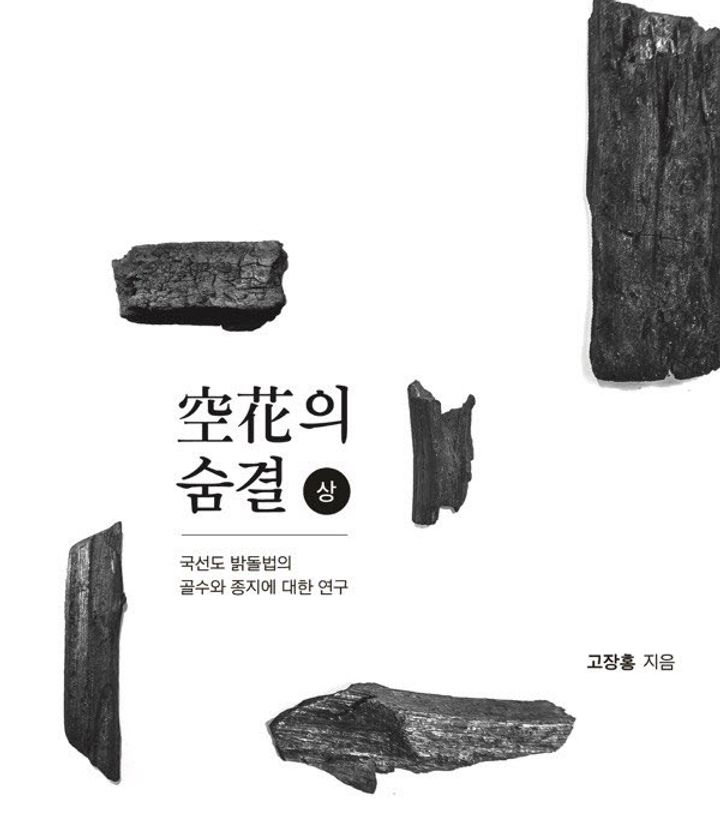
The Breath of Gonghwa — Volume I
What breath is; why breathing matters in this age; how body and mind may change through breathing — these are addressed from anatomical, philosophical and cosmological perspectives, grounded in deep insight and in experience won through practice.
Through the three stages, nine methods and thirty-seven steps of Kouk Sun Do Bakdolbeop, the author proposes that one may learn the fundamentals of breathing and, through practice appropriate to each stage, become a whole person of ji-in-yong (智仁勇) — of utmost physical strength, utmost mental power, and utmost moral force.
Breathing in Bakdolbeop is a way of recovering our original nature with a mind as artless as a child's, illuminating step by step the brightness of the body and of the mind, ever brighter and stronger; through breathing, one walks the path of a life in accord with nature, body and mind as one, self and cosmos united.
Setting out once more the principles, practices and methods of guidance stage by stage — from fundamental breathing to advanced and deep practice — it may serve as a large drawing that renders in three dimensions the clear outline of Bakdolbeop for the modern reader who finds it difficult, and as a careful signpost for practitioners already on the way.
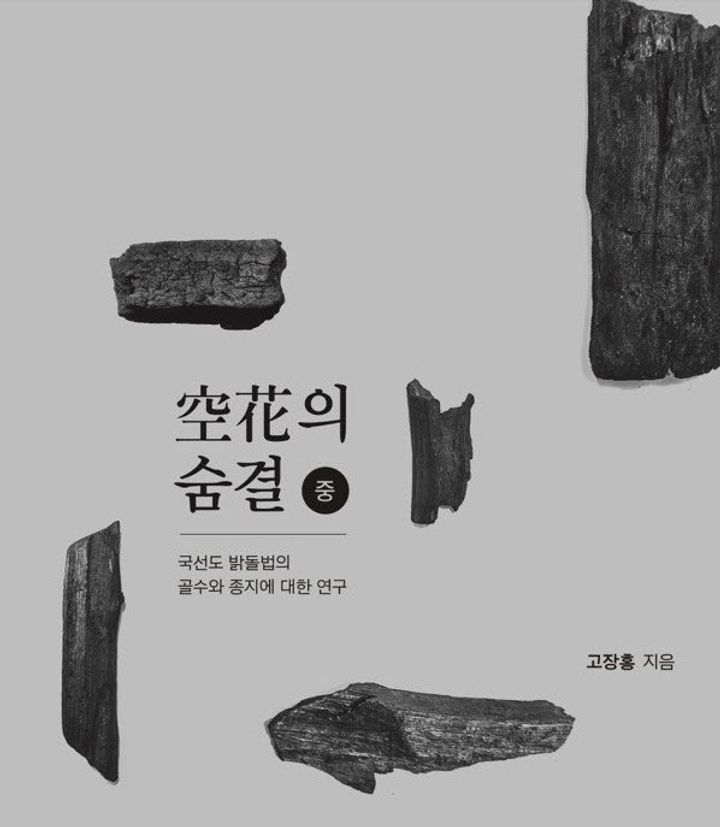
The Breath of Gonghwa — Volume II
We speak of training in Kouk Sun Do Bakdolbeop, and also of practice.
Through the author's philosophical reflection on what training is and what learning is, we come to see that the course of our lives is not simple living merely, but that all of us are already living lives of practice, in smaller and greater measure.
As one of the waves of the cosmos, and as particle, the energy (氣) that composes the human being was called in the East jeong (精), gi (氣) and shin (神) — an elementary-particle energy differentiated from one into three.
By unifying this elementary energy through breathing and practice, one may recover the naturalness that the human being originally carries from the cosmos; and the working of jeong-gi-shin coexists and operates identically with the cosmic dimensional system of time and space — mugeuk, taegeuk, hwanggeuk. Thus the book sets out to explain the principle of the elixir through the long yeokri (易理) and cheolli (哲理) of the East, showing that the human being is itself a small cosmos.
Further, through the marrow of Master Cheongsan's teaching in the third chapter, it holds that for humanity to recover its original nature and become a world of ilhwa (一和), without strife, awakening cannot come through vain imagining; only with our body — living in the real world upon which we stand — as companion can right breathing and the embodied result of practice be attained.
Only when we approach with right effort and sincerity from where we now stand may the gate of the Way open; and that gate, it says, means that Kouk Sun Do Bakdolbeop serves as a movement of social enlightenment through the development of each person as a small cosmos, bearing the calling of harmony and mutual flourishing for humanity.
The Breath of Gonghwa — Volume III
Where Volumes I and II set forth the three-dimensional outline and the principles of Kouk Sun Do Bakdolbeop and spoke of the marrow of Master Cheongsan's teaching, Volume III seeks, through the Master's cardinal tenets and an epilogue, to hold the true intent by which Bakdolbeop has come to be transmitted to the world today.
The heart of Master Cheongsan's descent from the mountain was this: that a method of practice which had passed from teacher to student, one to one, by word and by heart in the mountains, was made into a system so that anyone in all humanity might practise it anywhere and at any time, and so that it might be scattered abroad as rain is scattered — and that the essence of our people's traditional and orthodox Way was thereby revealed whole to the world.
In accord with the changes of great nature and of the global village, and at the eye level of people today, the book recounts the historical significance of his restoring and founding anew Kouk Sun Do Bakdolbeop and spreading it as a Way of learning (道學) that embraces, through breathing, both the higher and the lower learning.
Neither deceiving words nor blind belief can carry one further; to awaken to the transmission that continues a lineage held through thousands of years, one must approach the Way as it has been handed down, rightly and with one's own sincerity, grounded in a good and truthful heart — only so may that transmission be received whole.
To learn the Way in this age is not something grand or difficult; it is a calling of the times, one that ordinary citizens awakened in collective intelligence must undertake as a necessity.
By learning a sound and reasonable practice of breathing with right mind and right posture, one is reborn as a whole person and walks the right path of life, changing one's family and those around one, and so becoming the foundation on which a better society is built.
Following the calling of his times, the author recalls once more the deep teaching of a master who, with painstaking effort, sowed beans in a reed field, scattered seed as rain is scattered, and returned to the mountains without regret — and, placing into the empty (空) flower of gonghwa (空花), the question given him by his teacher, that teacher's true (眞) breath and smile, offers "The Breath of Gonghwa" whole to his readers.
Publications
A record of publishing carried on in one breath, from The Path of Life in 1992 to The Age of Breath in 2026. All titles are in Korean; click a cover to open its page at Kyobo Book Centre.
The Age of Breath, Vol. 1 — The Great Turning of Civilization
Jang KO2026
The Breath of Gonghwa · I
Jang KO2025
The Breath of Gonghwa · II
Jang KO2025
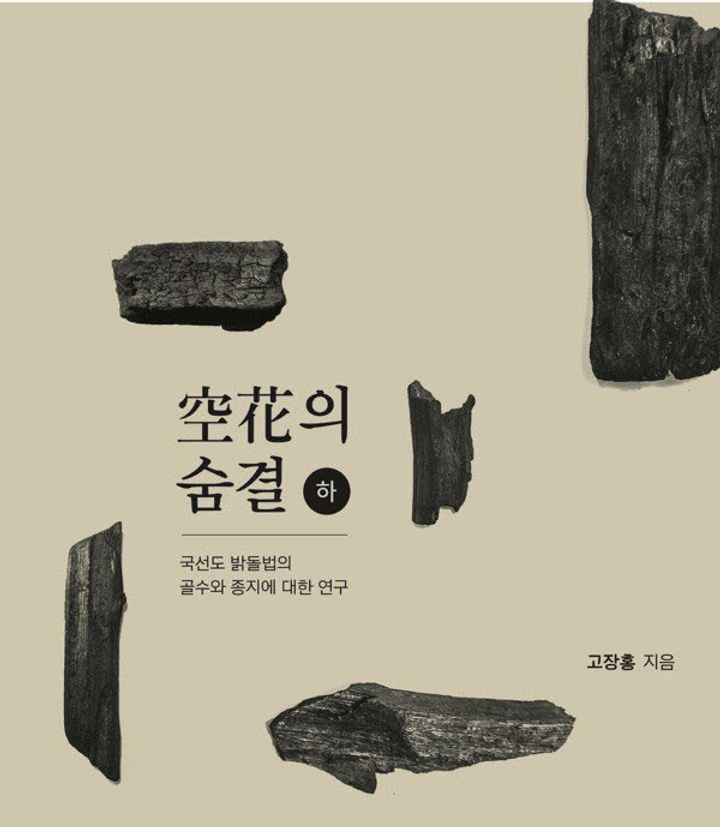
The Breath of Gonghwa · III
Jang KO2025
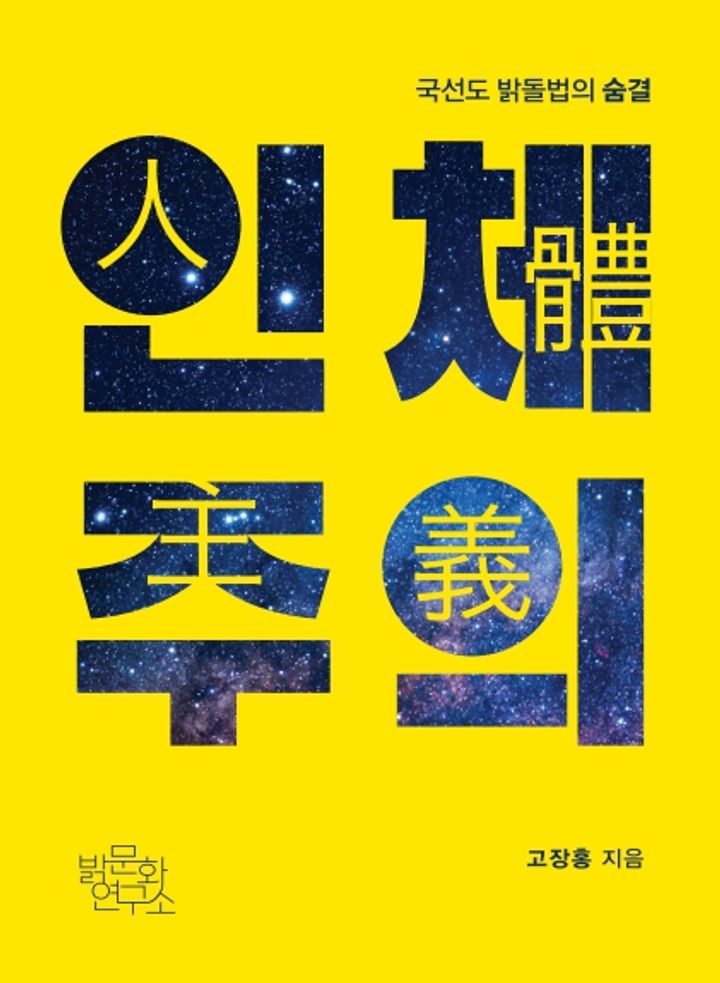
Embodied Humanism — The Breath of Kouk Sun Do Bakdolbeop
Jang KO2024
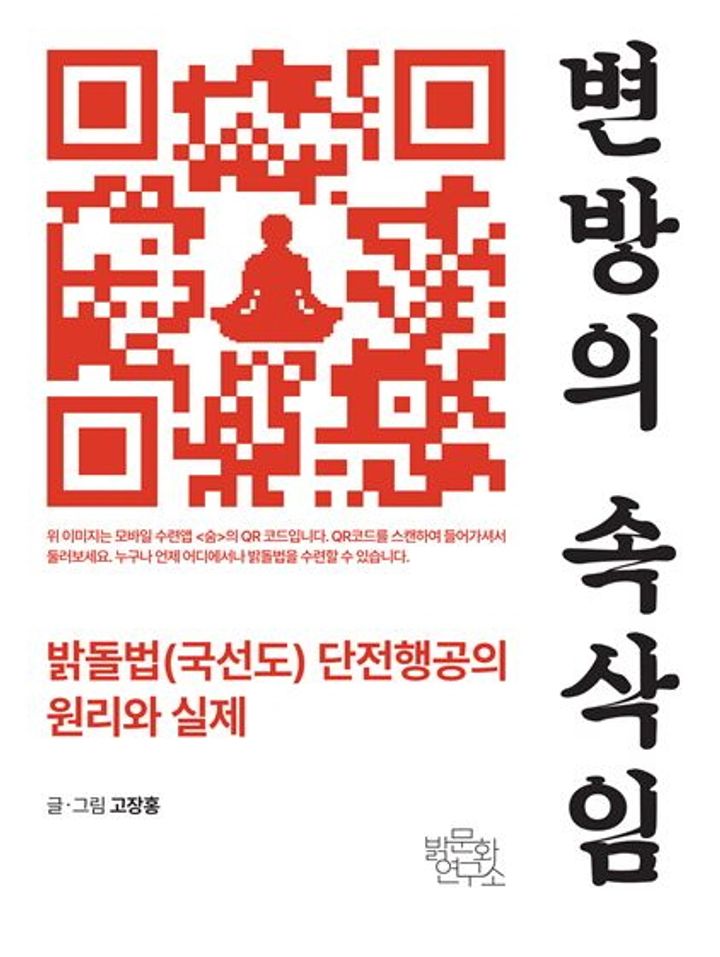
Whispers from the Borderland — Principle and Practice of Danjeon Haenggong
Jang KO2023
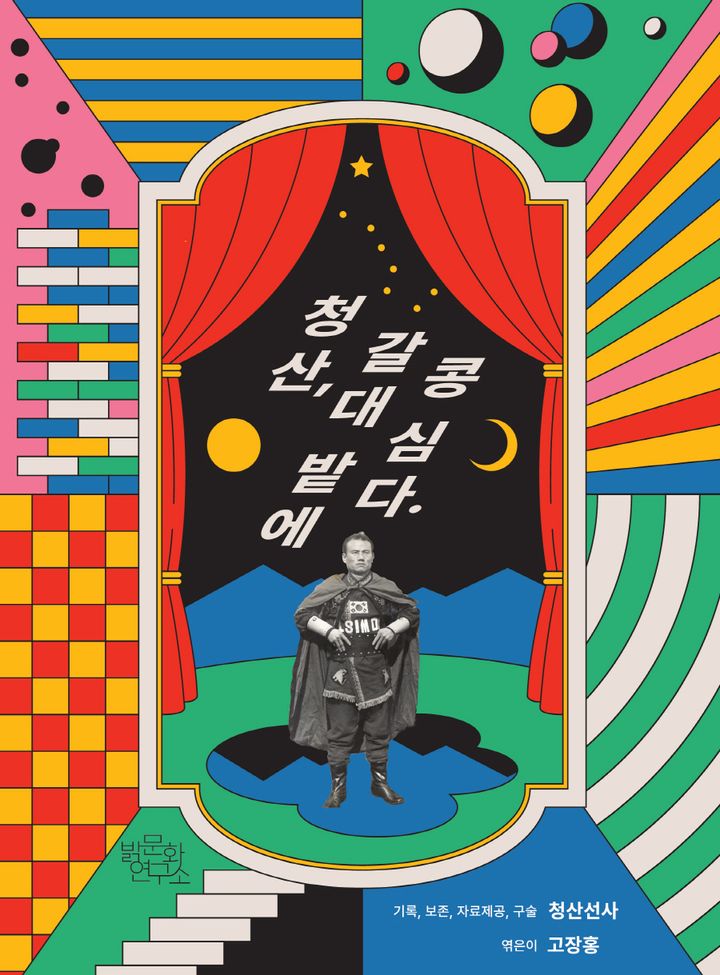
Cheongsan Sows Beans in a Reed Field
Master Cheongsan2022
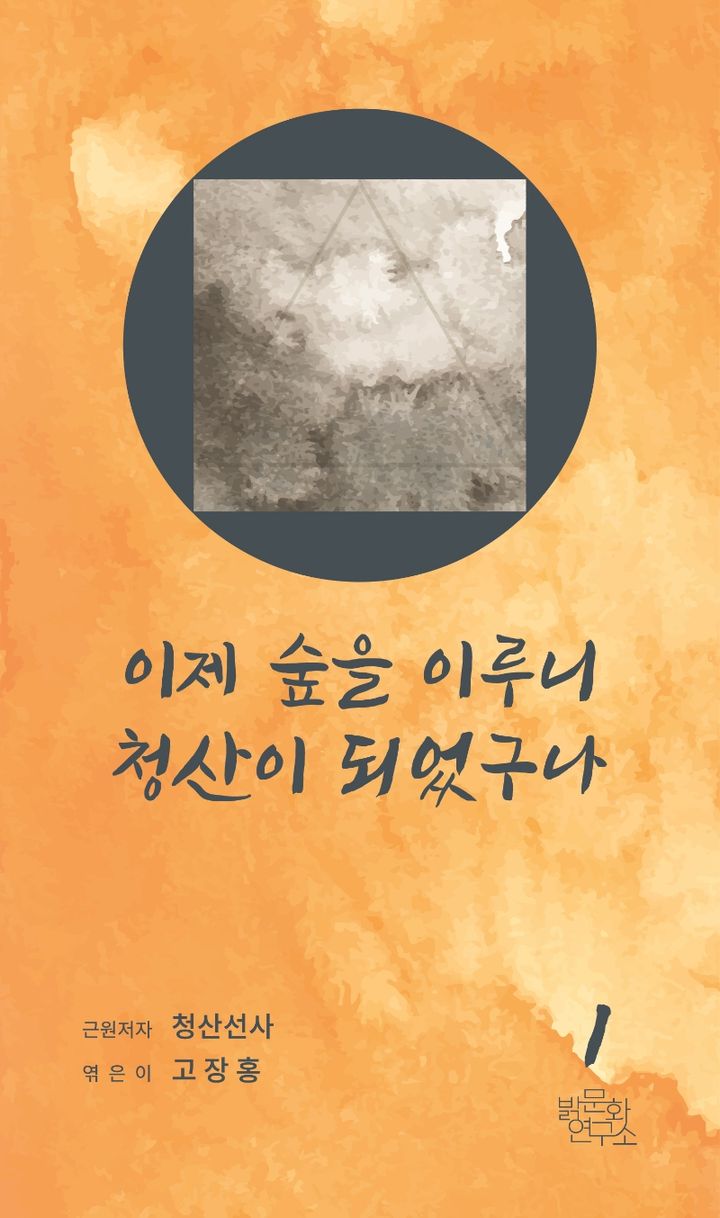
(1) Now a Forest Has Grown, and It Has Become Cheongsan
Jang KO2020
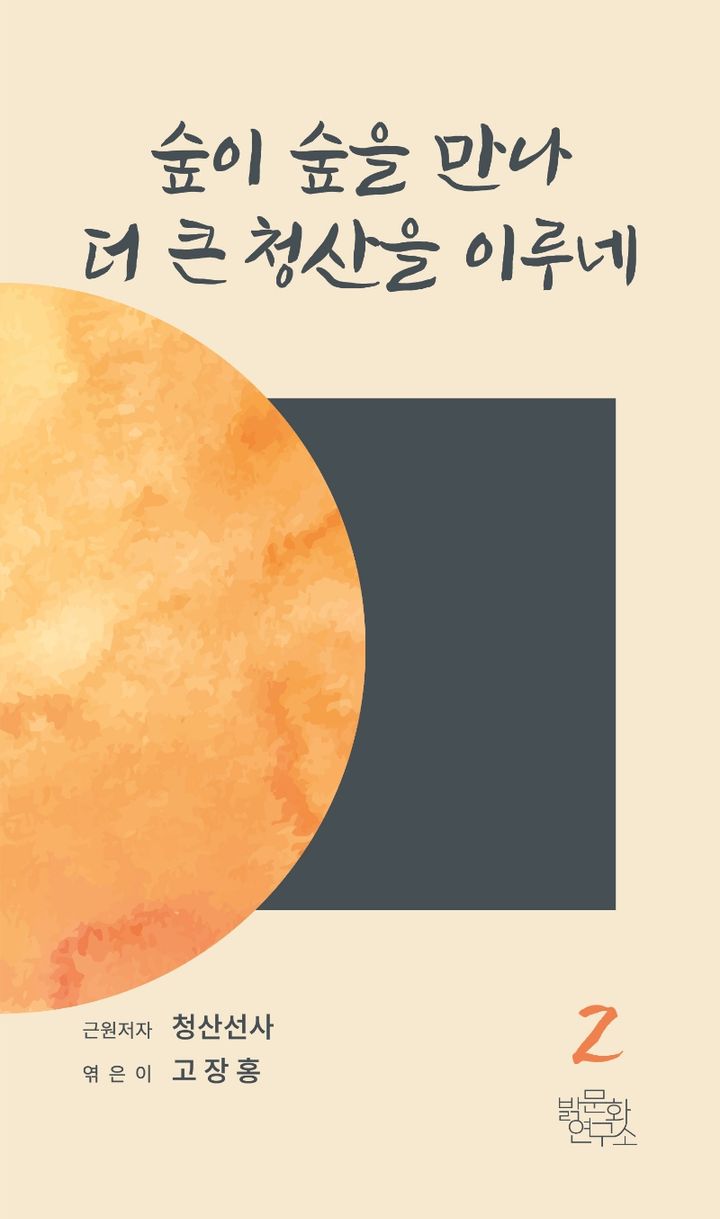
(2) Forest Meets Forest and a Greater Cheongsan Is Formed
Jang KO2020
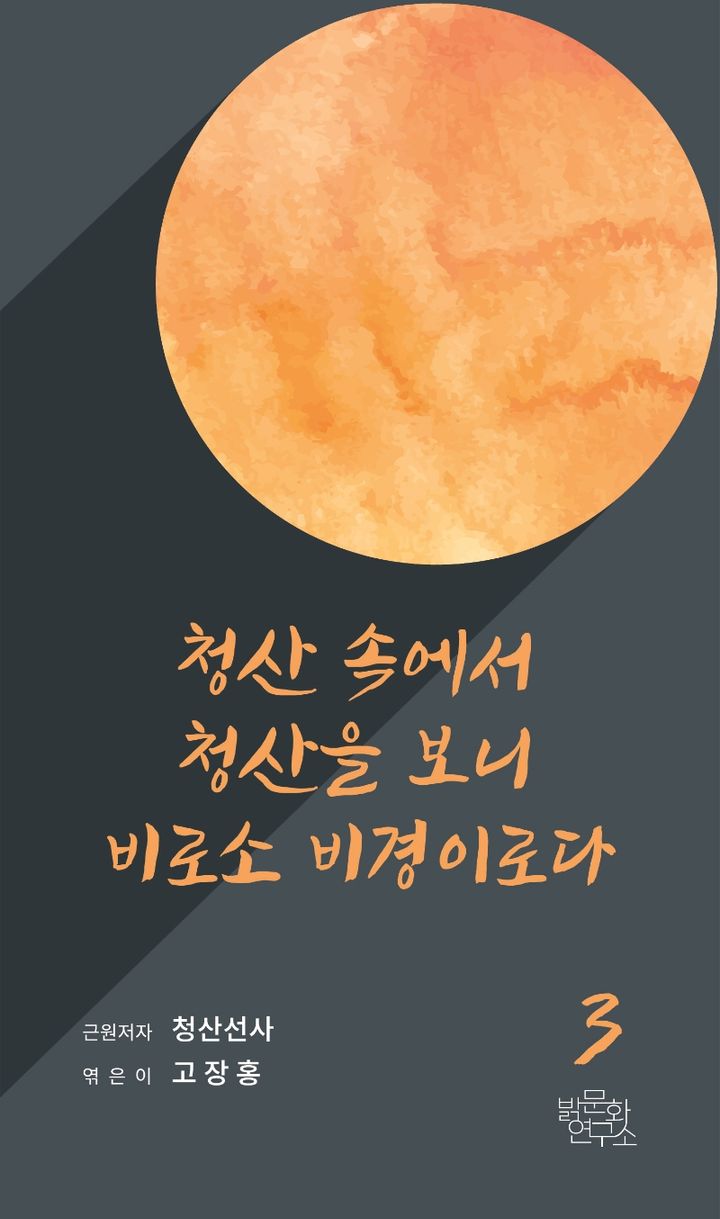
(3) Seeing Cheongsan from within Cheongsan, at Last a Hidden Wonder
Jang KO2020
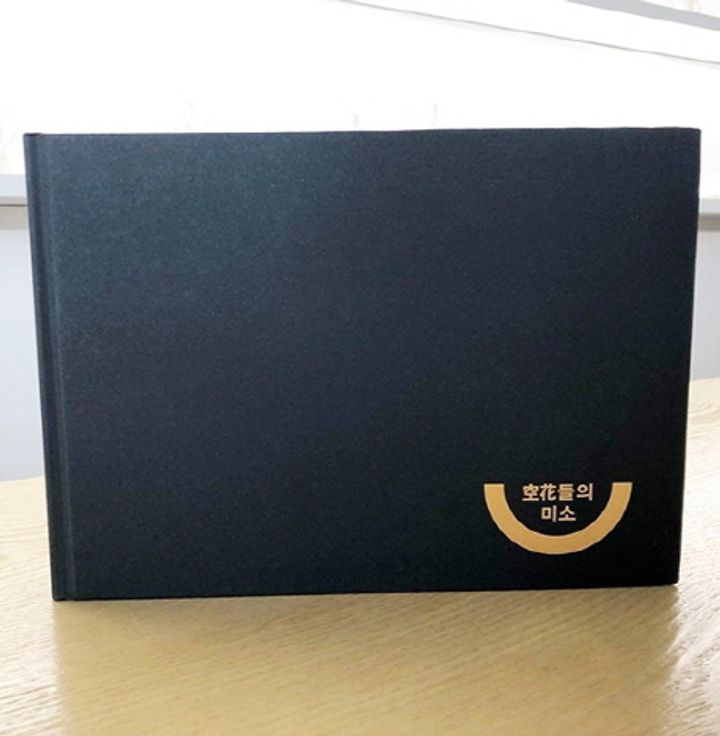
The Smile of the Gonghwa
Kouk Sun Do Research Association2019
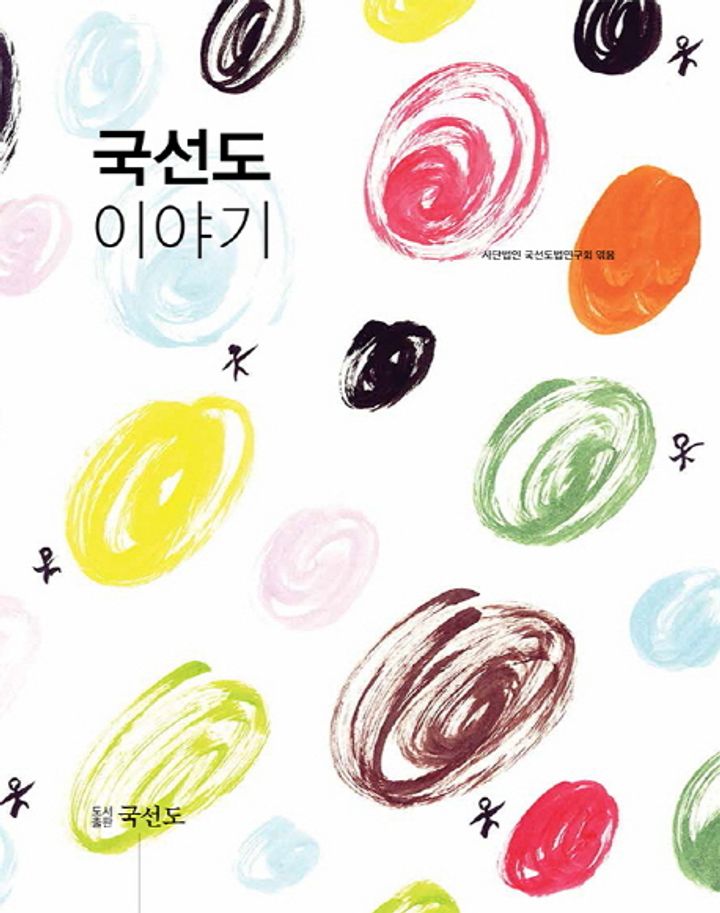
The Story of Kouk Sun Do
Kouk Sun Do Research Association2013
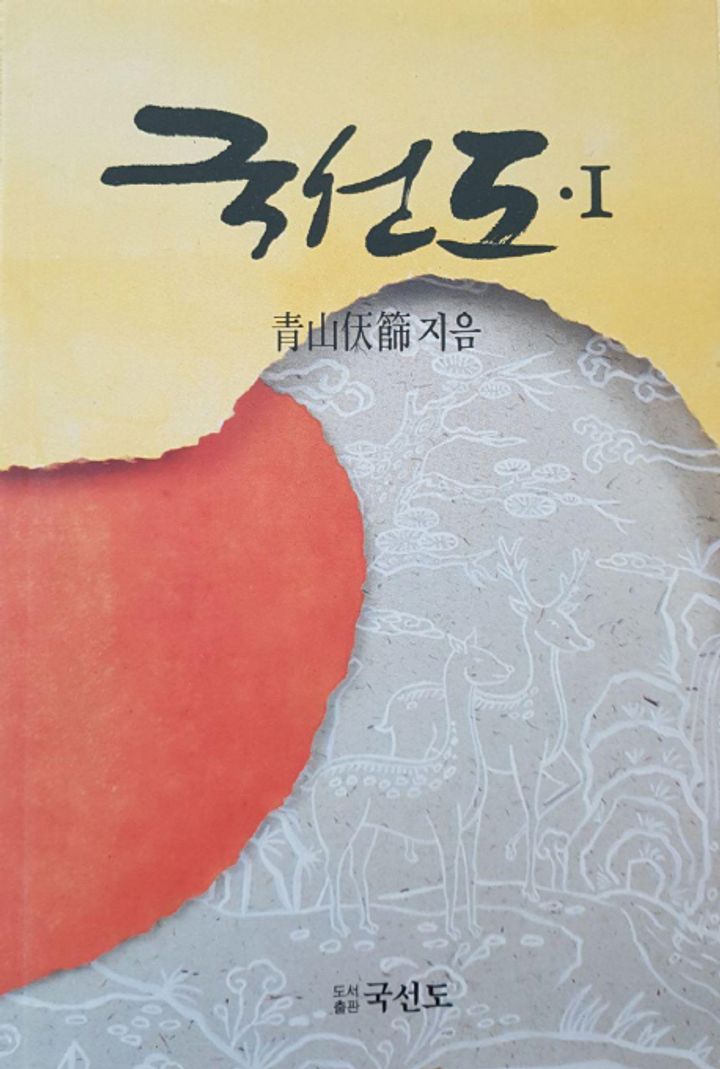
Kouk Sun Do 1
Master Cheongsan1993
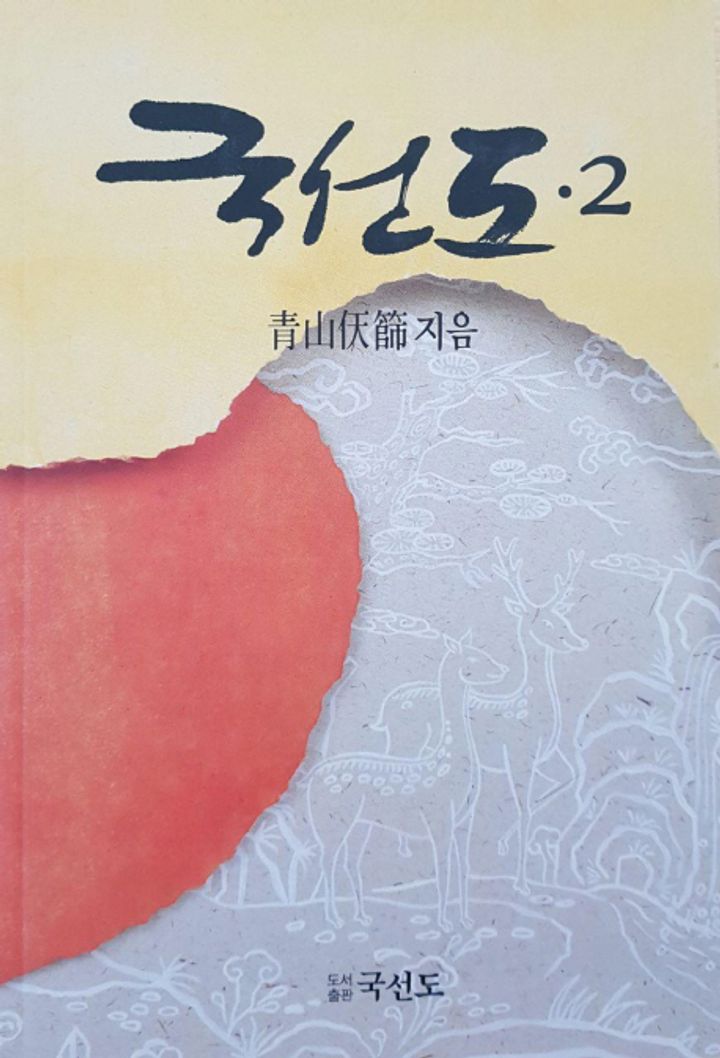
Kouk Sun Do 2
Master Cheongsan1993
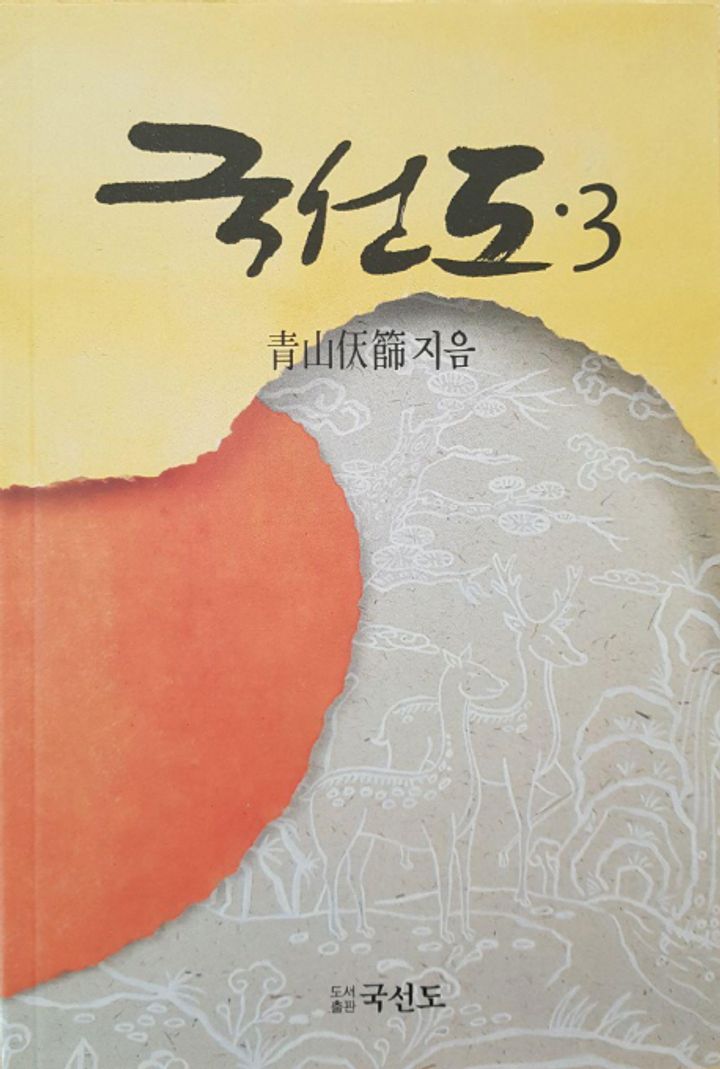
Kouk Sun Do 3
Master Cheongsan1993
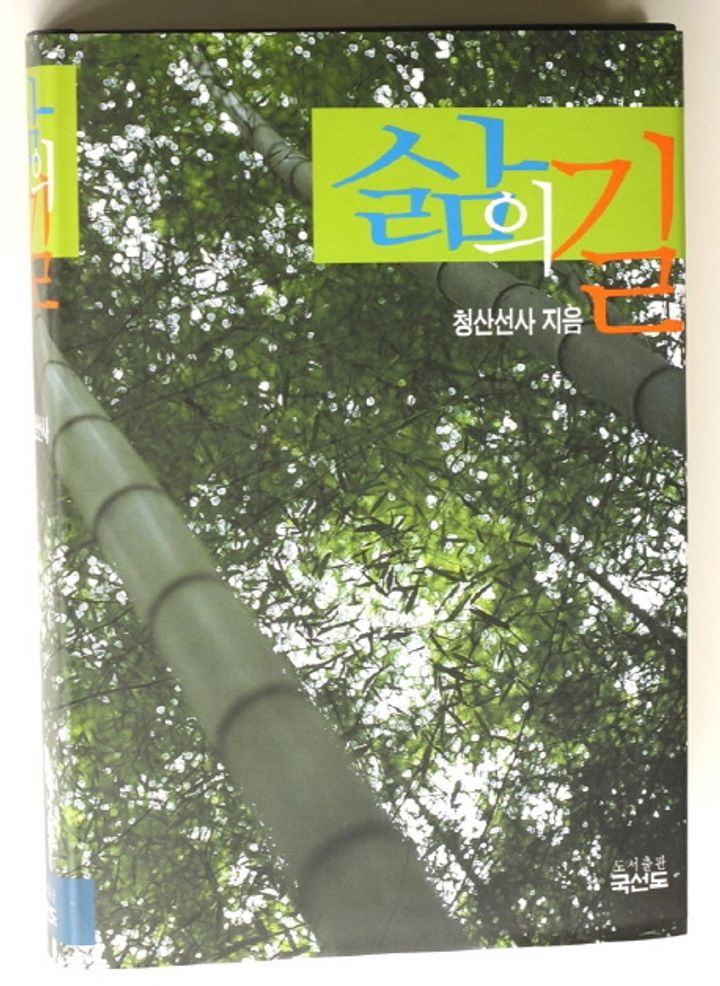
The Path of Life
Master Cheongsan1992
Research Collaboration
The Institute seeks to become a platform of upright intellect, where those who hold to right mind (正心), right seeing (正視), right awakening (正覺), right way (正道) and right conduct (正行) may gather to study "Bakdolbeop" and "balk" in depth.
We await the precious exchange of wisdom with those who pursue their research in right intent and conviction. Those wishing to undertake joint research or scholarly exchange are welcome to write to us.
Visit the Institute
3F, 33 Insadong 14-gil, Jongno-gu, Seoul, Republic of Korea
Balk Culture Research Institute Press
Books · Lectures · Research
For purchase of The Age of Breath, lectures and courses, or joint research, please contact us by email.
X (Twitter) @Yunmee14 — news of new titles and of our research.